Case study
Maximizing productivity with intelligent automation
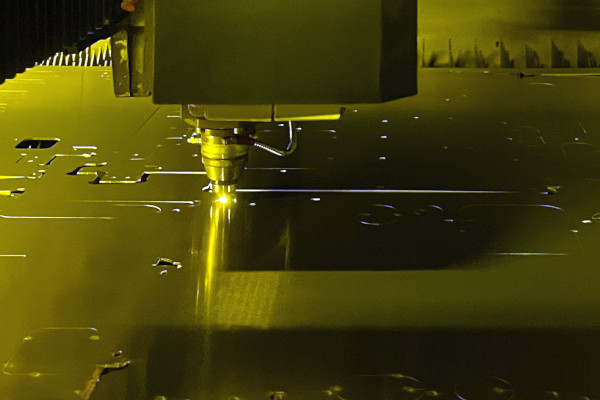
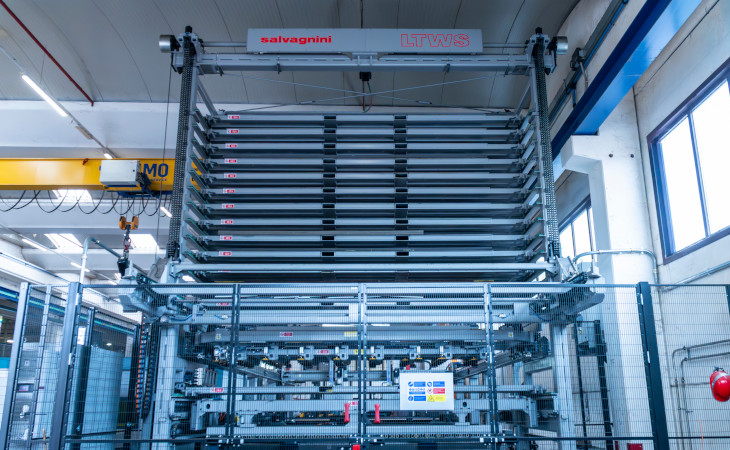
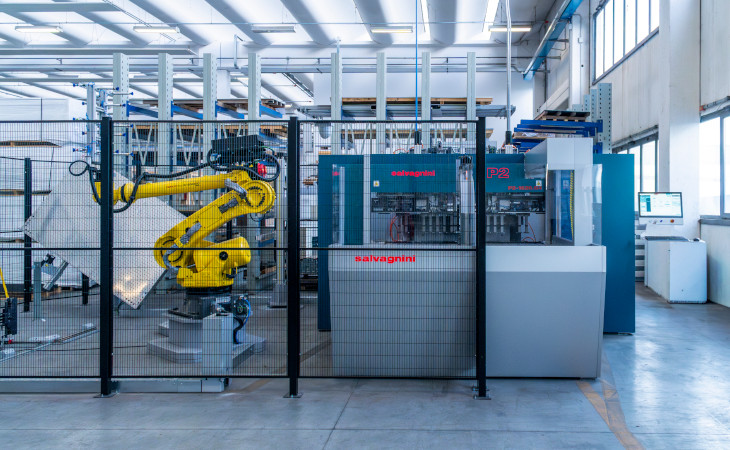
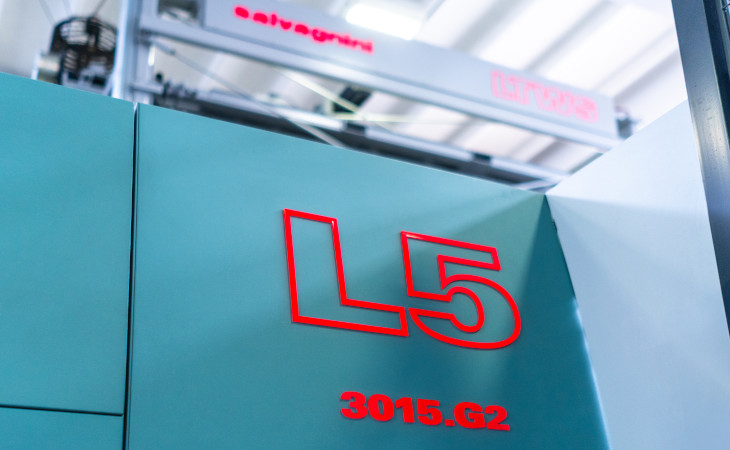
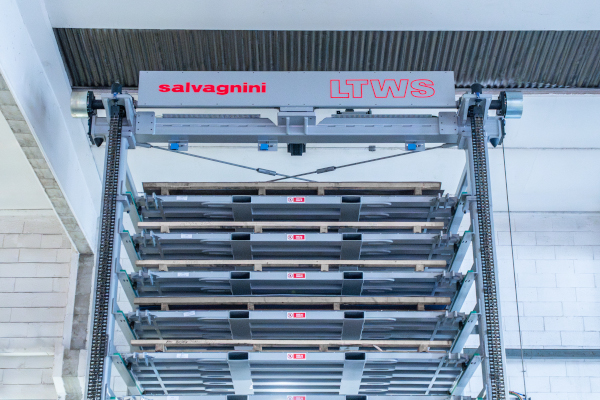
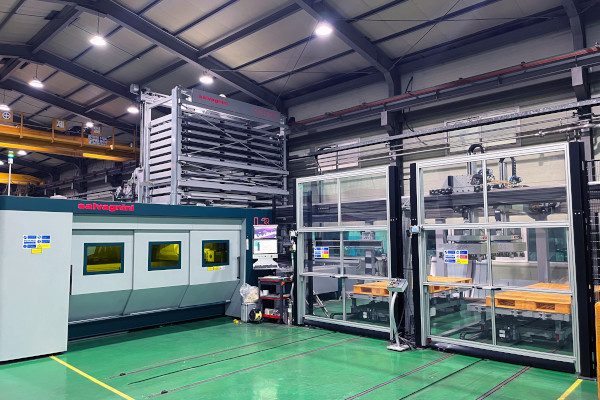
Sammi Laser is a leading sheet metal subcontractor in northern Gyeonggi, South Korea. To increase productivity, ensure consistent quality and reduce dependence on manual operations, the company invested in an integrated Salvagnini system comprising a 6 kW L3 fiber laser cutting system, an LTWS store tower and an MCU automatic sorting device, achieving a 15% increase in productivity.


Maximizing productivity with intelligent automation
Highlights
- Sammi Laser
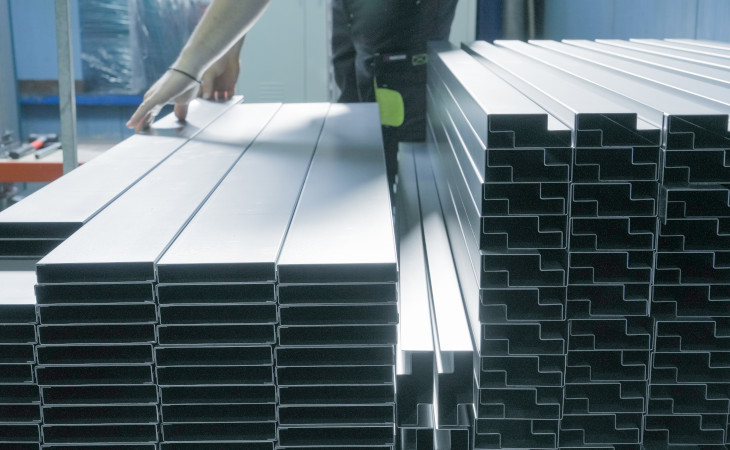
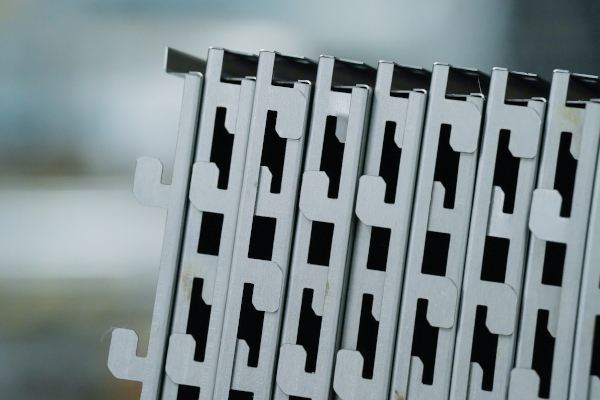
Founded in 1986, Sammi Laser is a sheet metal subcontractor based in northern Gyeonggi, South Korea, employing approximately 60 people. Its made-to-order production serves diverse industries, manufacturing medical equipment enclosures, special valves, ice machine cabinets and automation components. The company prioritizes consistent quality across customer-specific products and production requirements. - The challenges
Operating in a high-mix, labor-intensive manufacturing environment, Sammi Laser faced growing dependence on operator skills, with potential variations in quality and productivity. The company needed to standardize processes, reduce manual handling and maintain consistent throughput while managing diverse production requirements and addressing the increasing difficulty of securing skilled operators. - The solution
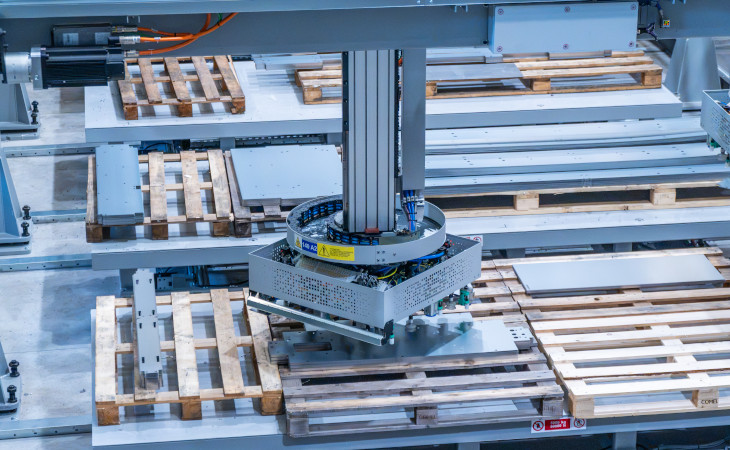
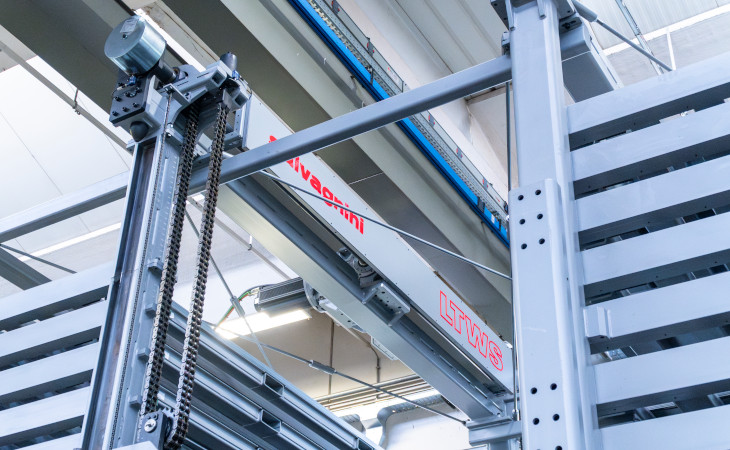
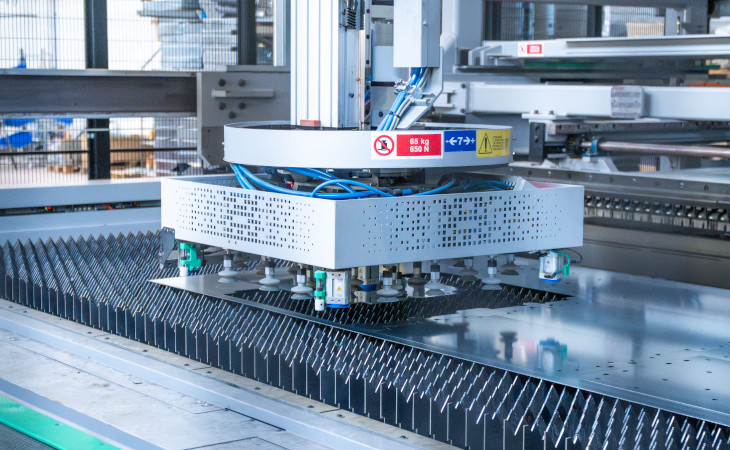
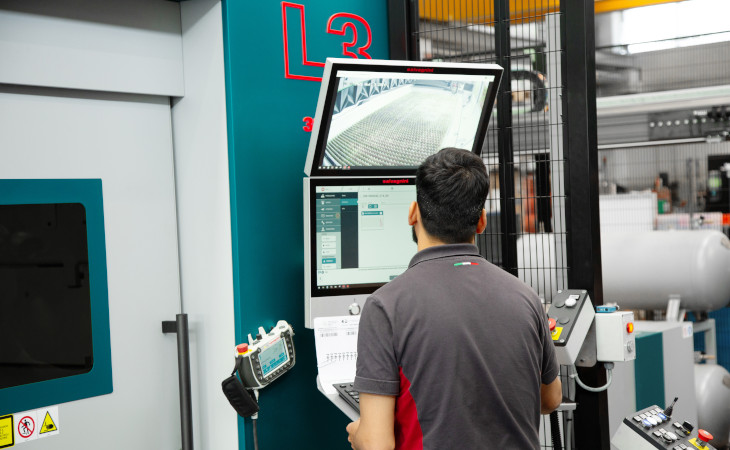
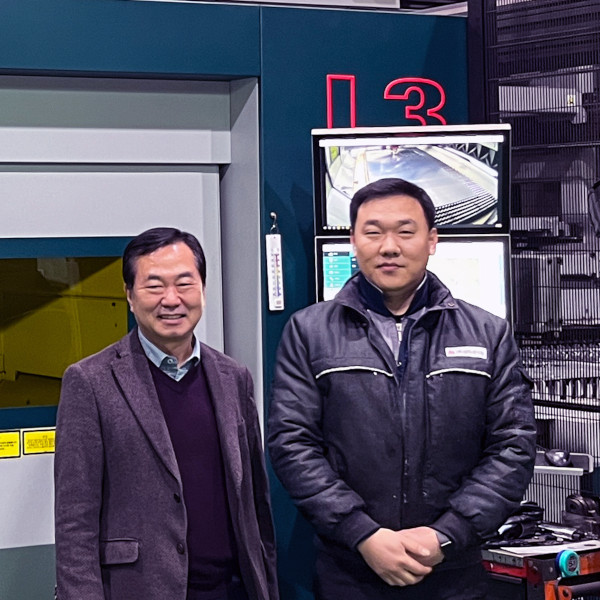
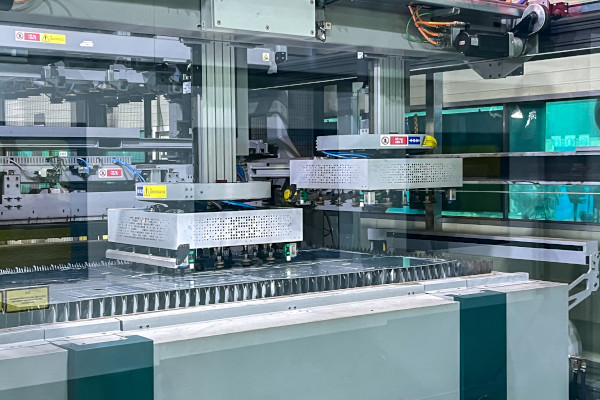
Sammi Laser installed a 6 kW Salvagnini L3 fiber laser integrating an LTWS store tower and MCU automatic sorting device. NVS Nozzle Vision System, SVS Sheet Vision System and STREAMLASER software support cutting quality, leftover reuse and optimized nesting. "This wasn't just about adding new equipment — it was about fundamentally changing how we produce," says Hyeong Keun Cho, CEO of Sammi Laser. - The results
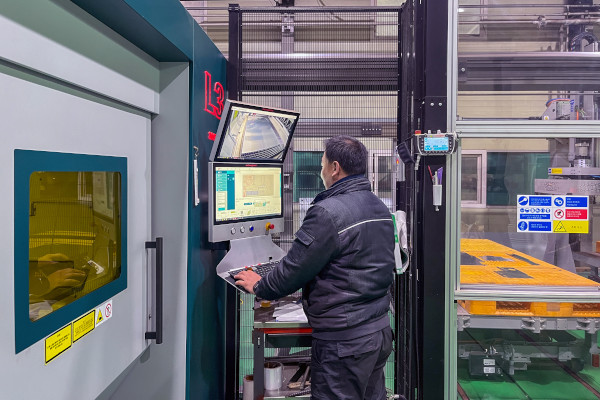
The new system increased productivity by approximately 15%, combining faster cutting with reduced waiting times between processes. Automated storage and sorting enable longer unattended night shifts, reduce repetitive manual tasks and stabilize production flow. Intuitive programming and shorter setup times also help operators respond faster to changing production requirements, while improved energy efficiency contributes to lower operating costs.