Case study
Key role in casing production
Story courtesy of E. Weustink/PlaatBewerkingsNieuws
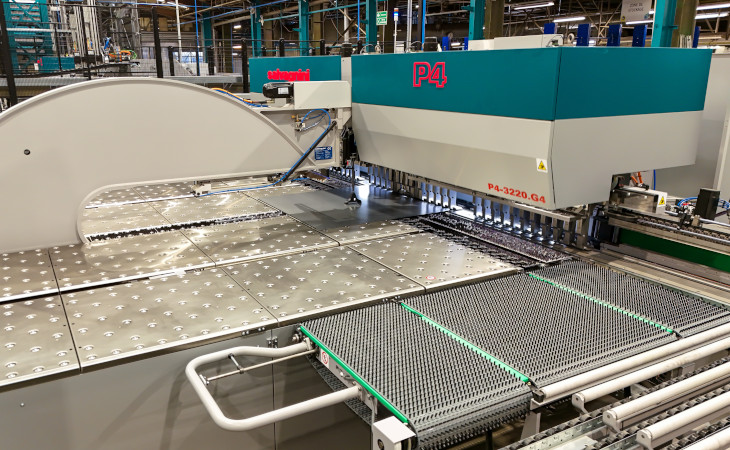
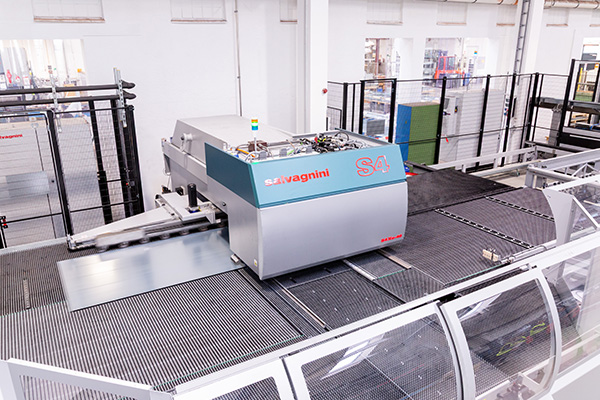
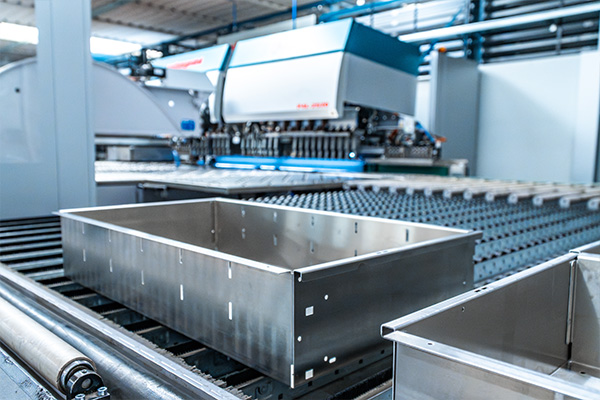
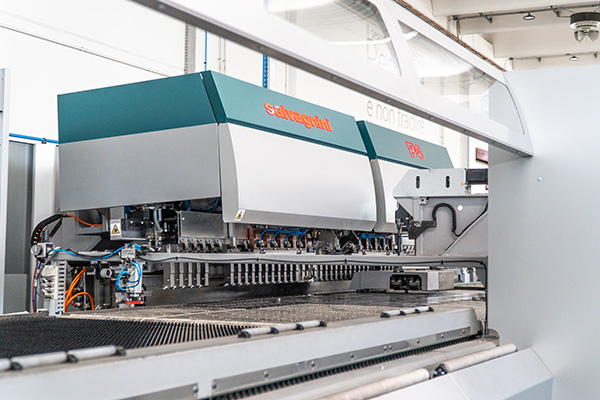
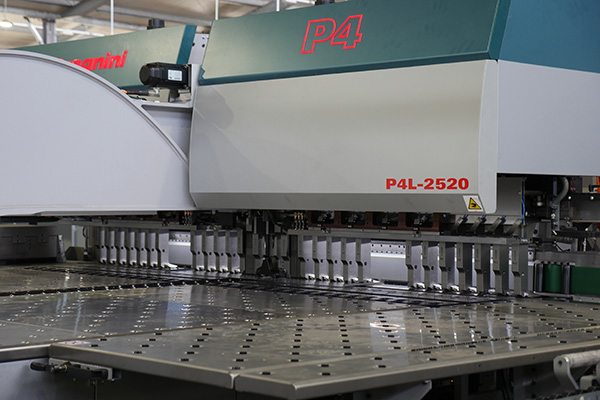
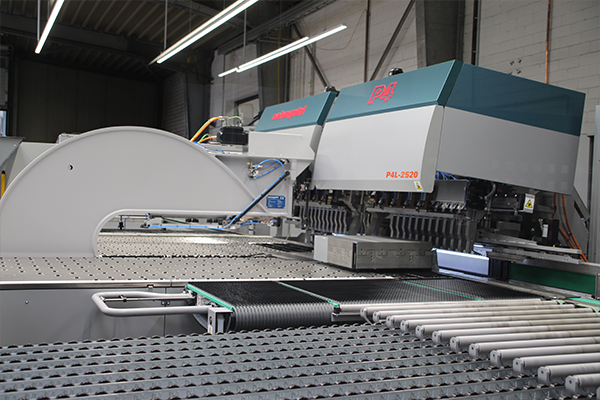
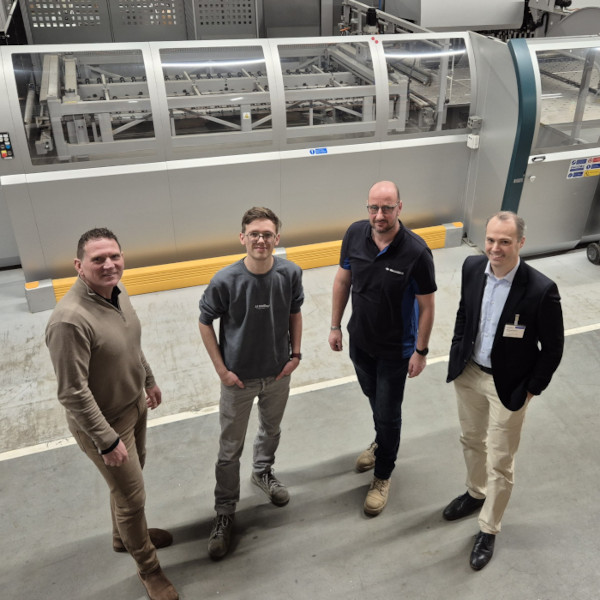
Salvagnini’s fully automatic punching and bending process plays a crucial role in the combined production line for boilers and heat pump storage tanks at Itho Daalderop’s factory in Tiel (Netherland). The Italian manufacturer’s system quickly and reliably produces scratch-free white pre-painted steel parts and is also perfectly integrated with the machines of other manufacturers, which turn these parts into casings. This S4+P4 line was commissioned in 2022 and, based on the excellent experience so far, Alex de Gast, Production Engineering Project Manager at Itho Daalderop, says: “This was the only right step we could have taken.”
Case study Itho Daalderop






Highlights
- Itho Daalderop
Itho Daalderop manufactures boilers, hot-water systems, ventilation systems and heat pump solutions at its Tiel factory in the Netherlands. After merging two complementary product branches, the company invested in a combined casing production line able to serve both 50-litre boilers and 270-litre heat pump storage tanks. - Challenges
The new line had to process 0.75 mm white pre-painted steel parts of very different sizes, including sheets up to 1.80 metres. Itho Daalderop needed fully automated handling for large panels, improved ergonomics, reliable throughput and scratch-free visible parts suitable for installation in customers’ homes. - Project & technical specs
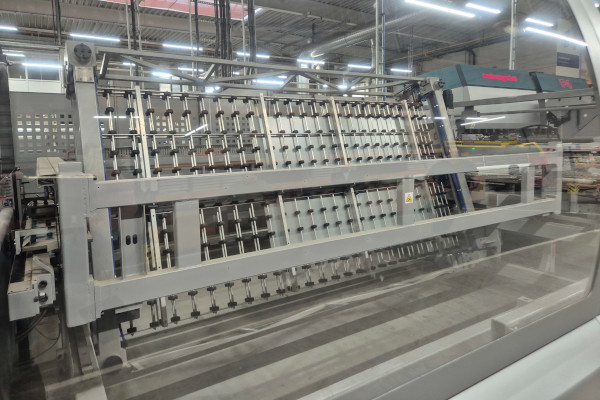
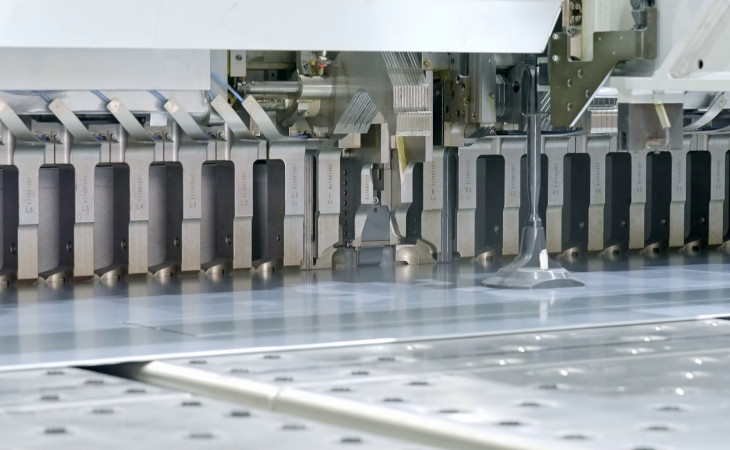
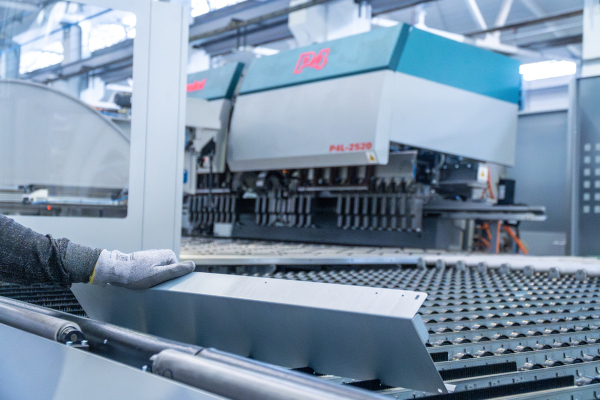
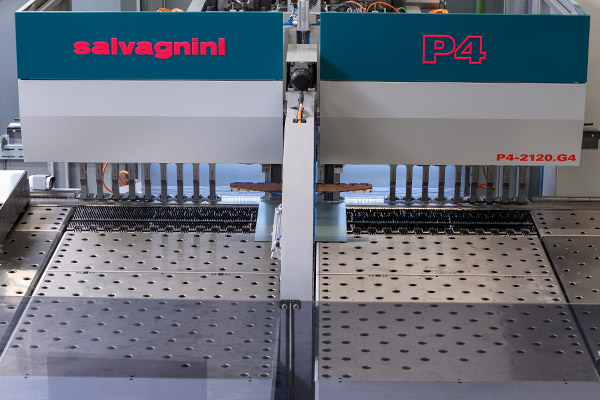
Salvagnini supplied an integrated S4+P4 line with an automatic MD store for single sheet handling, an S4 punching machine with integrated shear, a centering station, a turnover unit and a P4-2520 panel bender. Ninety-eight percent of parts are turned over before bending, with programs loaded from the office and machine speeds synchronized. - Results
The line creates a smooth, streamlined production flow for an increasing number of products, while supporting higher quality, reliability and ergonomic safety. Standard Salvagnini machines avoided the cost of a custom-built solution, and the line was installed quickly without disrupting other production. “This was the only right step we could have taken,” says Alex de Gast, Production Engineering Project Manager.