Case study
From coil to sheet for a measurable production leap
Story courtesy of A. Ariu and G. Mazzola/Lamiera
Tecnocupole Pancaldi, which produces skylights, smoke extractors and fume control systems, has reorganized its sheet metal working chain with three Salvagnini systems, increasing productivity and operating capacities while laying the foundations for new product development processes.






From coil to sheet for a measurable production leap
Highlights
- Tecnocupole Pancaldi
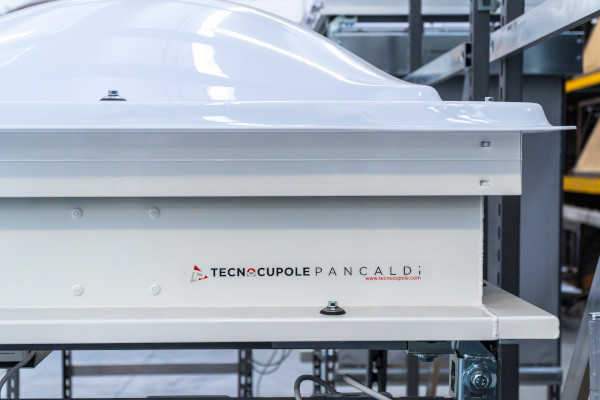
Tecnocupole Pancaldi is a Bologna-based manufacturer of skylights, natural smoke and heat exhaust systems, and ventilation solutions, with more than 60 years of experience. From its 4,000 m² plant, 32 employees serve over 800 customers annually across installation, construction and prefabrication markets. - The challenge
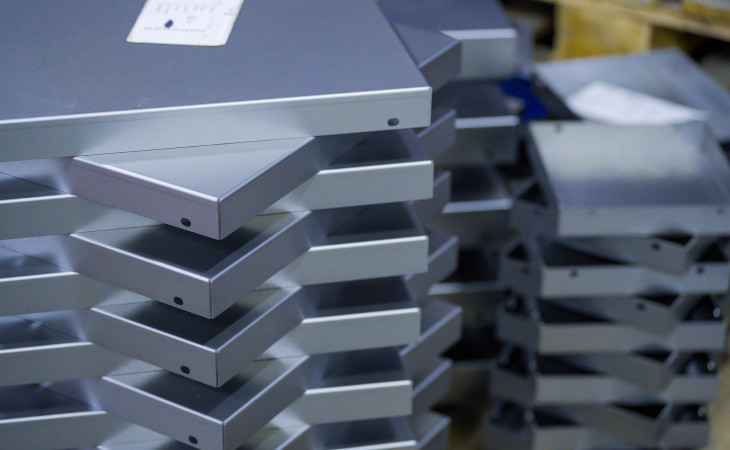
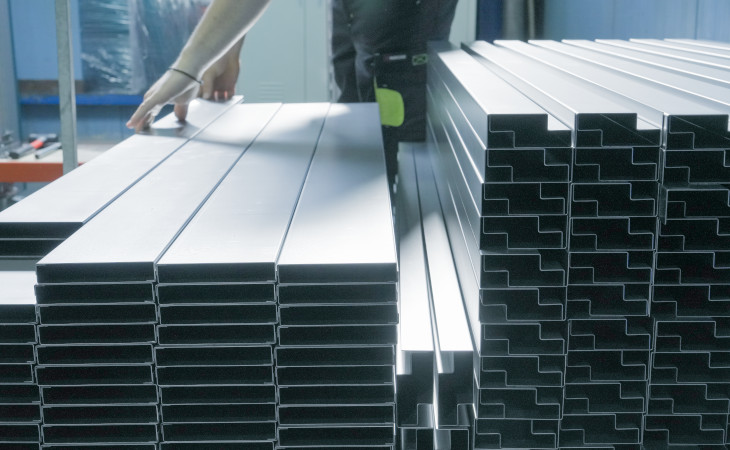
The previous coil-based process required straightening, strip cutting and occasional punching before bending, tying up at least three people to produce around ten base components per day. Tecnocupole Pancaldi needed faster downstream operations, lower process variability, reduced energy use and a more stable flow capable of supporting product growth and insourcing. - The solution
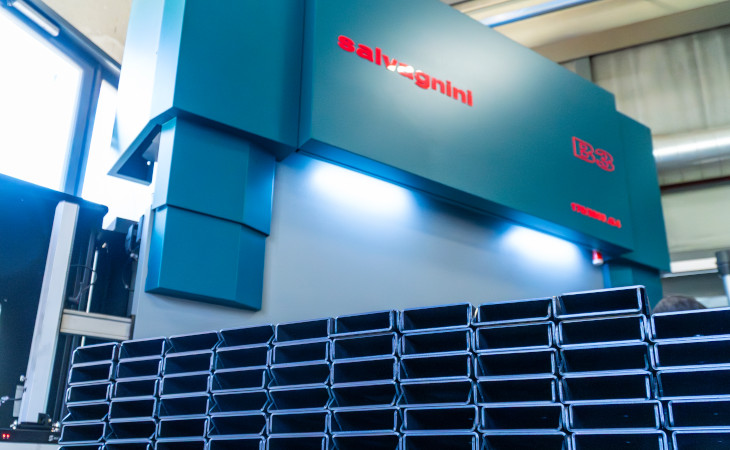
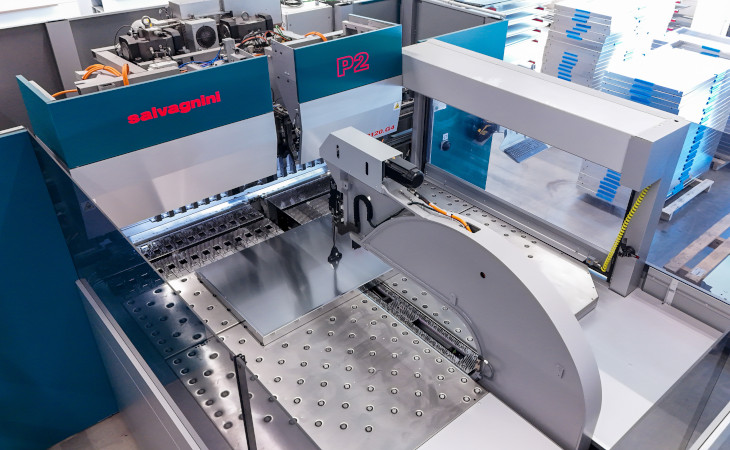
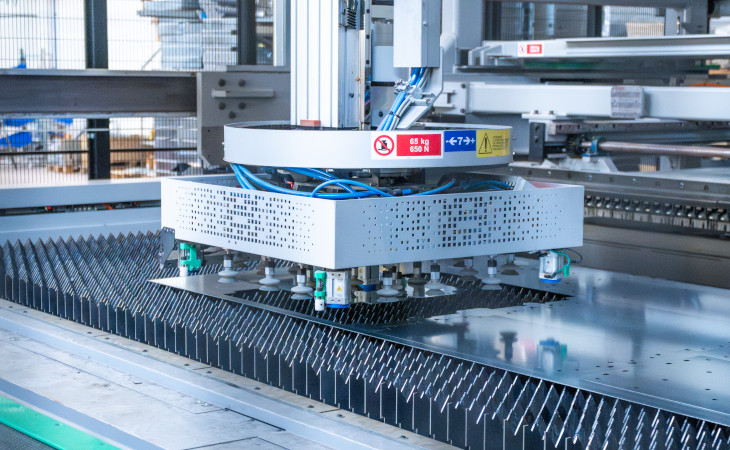
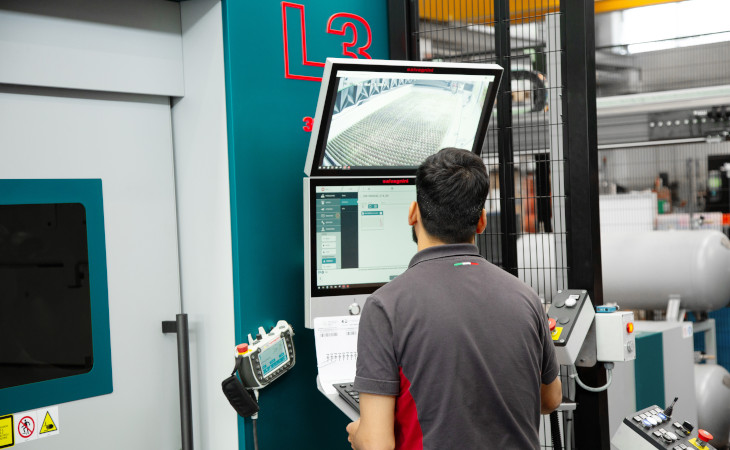
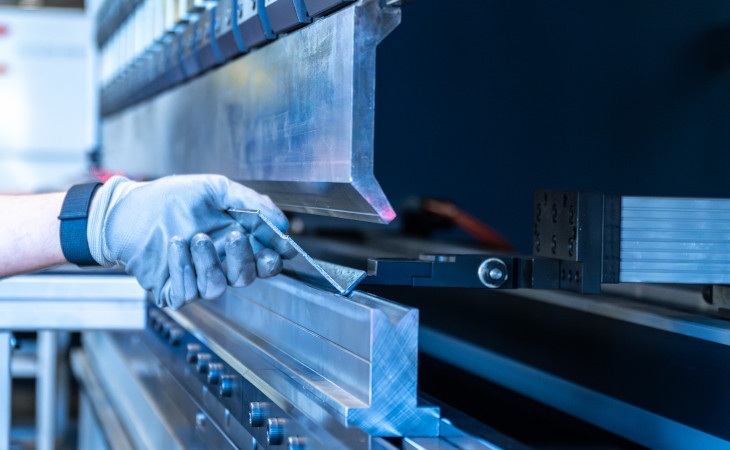
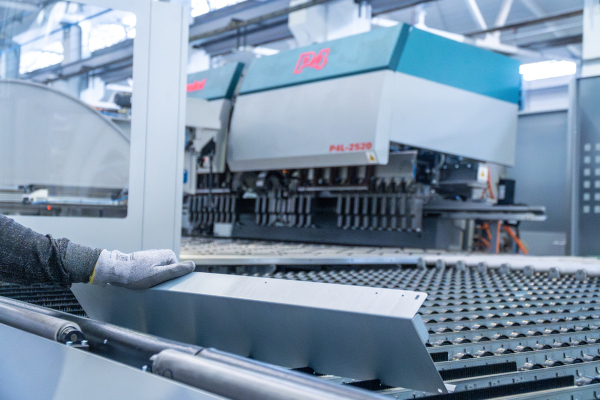
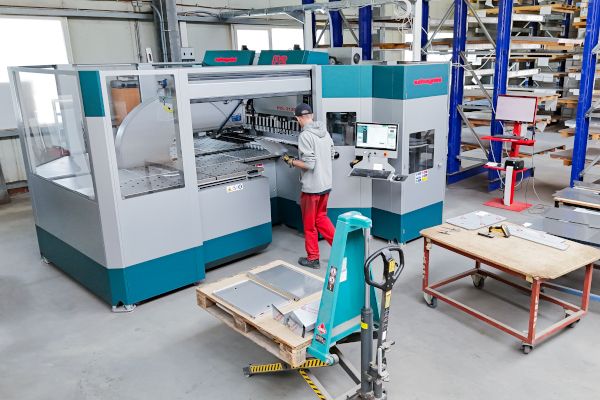
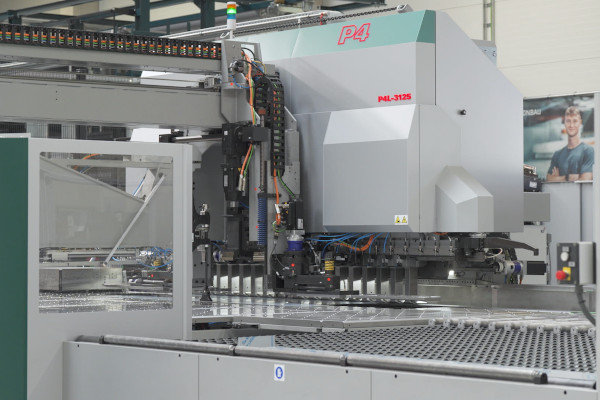
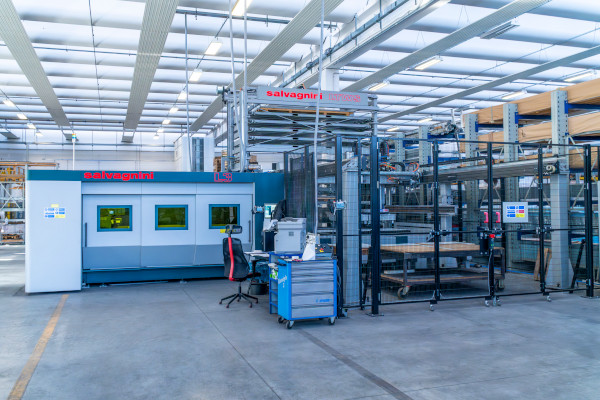
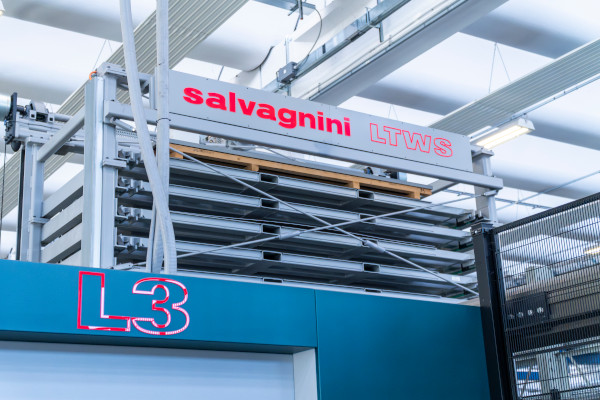
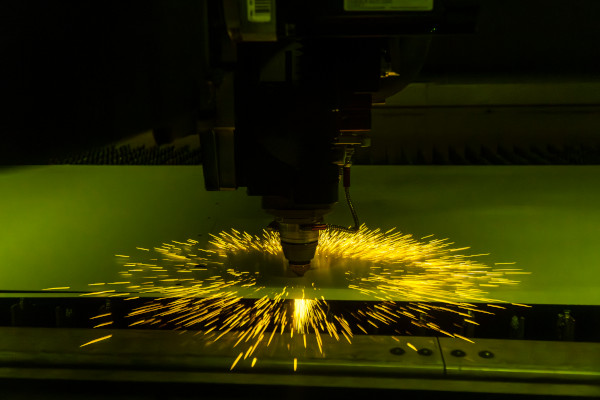
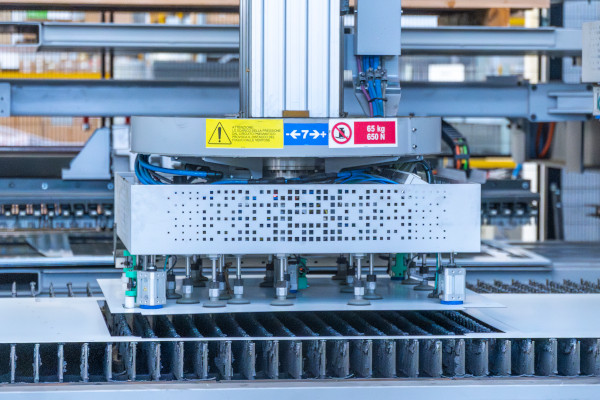
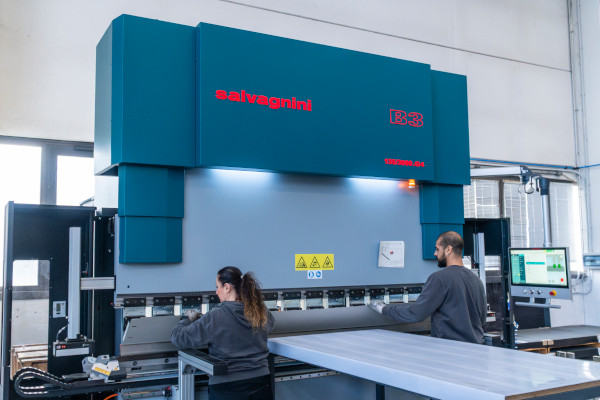
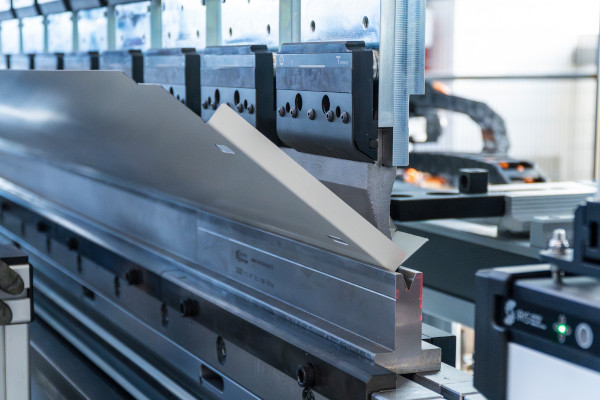
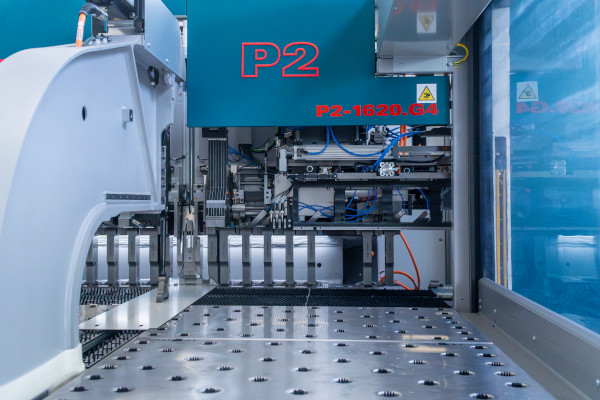
The new sheet-based process combines a 3 kW L3 fiber laser with an 8-tray LTWS store-tower and MCU automatic sorting, a P-Robot integrating a P2-1620 panel bender, and a B3 135/3000 press brake. OPS coordinates orders, nesting and routing across all three technologies, while ACUT, SVS and APC2 support cutting efficiency and quality. - The results
Productivity increased by about seven times: one operator now produces 70–80 components per day, compared with around ten using at least three people. Estimated energy consumption fell by 52%, OPS-optimized nesting keeps scrap levels very low, and the new capacity supports insourcing and product development. "The results have exceeded our simulations during the assessment, in terms of both energy savings and productivity," says Michela Pancaldi, CEO.